PA/EVOH/PE Shrink Bags for Meat: Key Barrier Specs
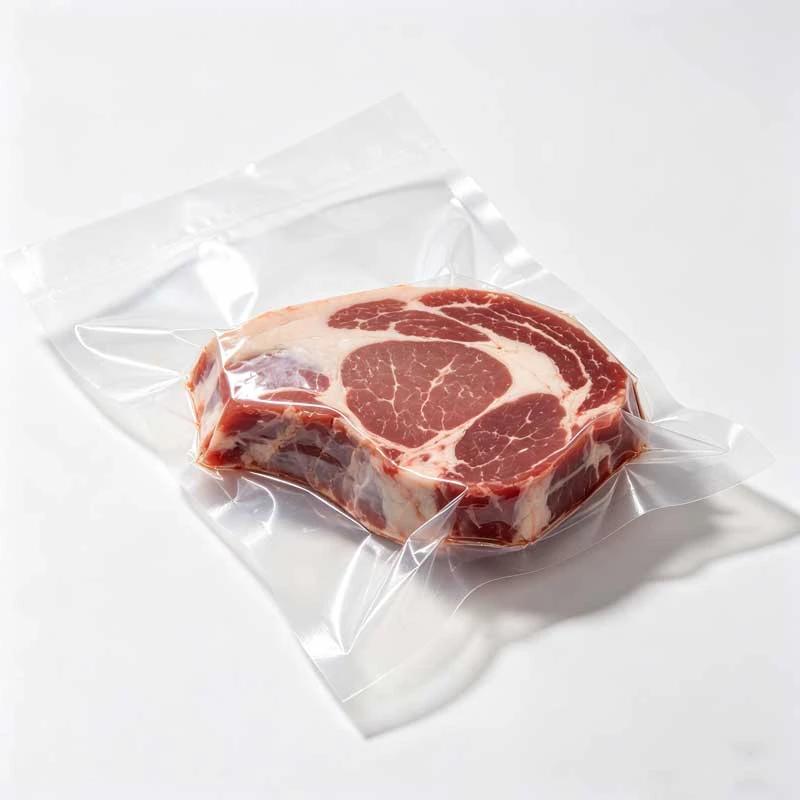
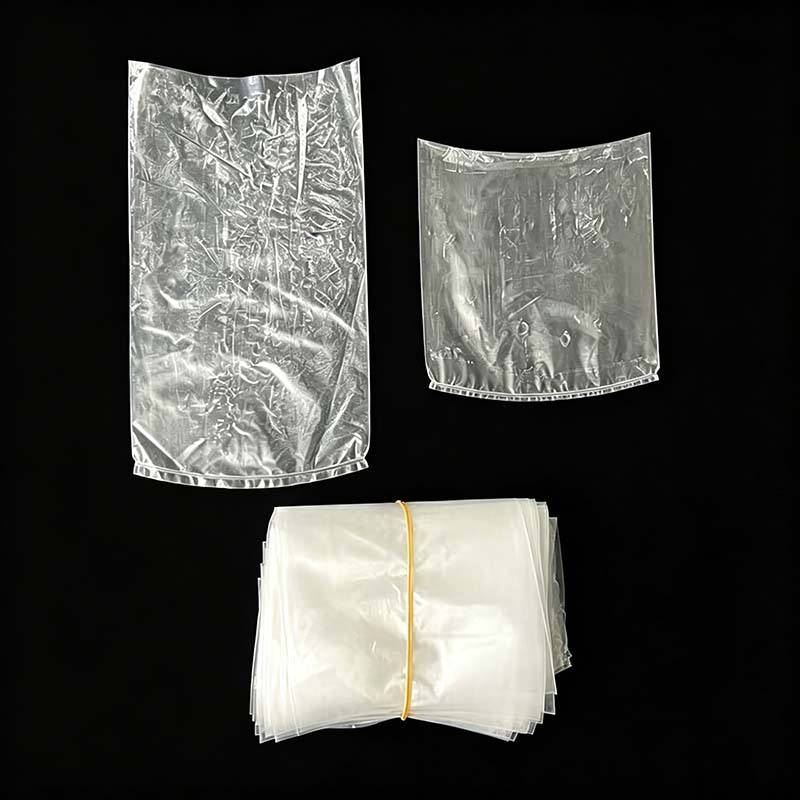
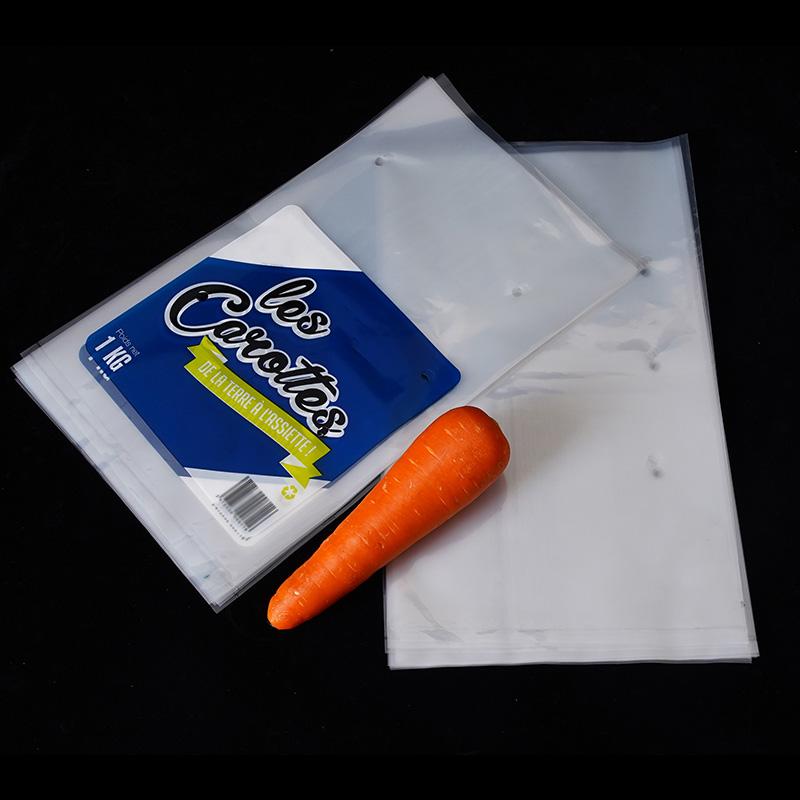
PA/EVOH/PE shrink bags are co-extruded high-barrier bags that tighten around beef and lamb cuts, cheese blocks, tuna loins and cured meats under heat. The tight fit removes loose wrinkles and purge, while the barrier structure limits oxygen and moisture around the product. Transparent and printed versions look much alike on a retail display case; in a specification sheet they can be different bags.
What the Layers Actually Do
The referenced bag uses multi-layer co-extruded film: an outer layer for strength, gloss and puncture resistance, a middle layer based on EVOH or PA that blocks oxygen, moisture and odors, and an inner PE layer that forms the vacuum seal. That middle line is a choice between two barrier resins, not one fixed build. Ask which one a quote covers, because it affects how long chilled or frozen meat keeps its color.
Five Specs to Put in the Order
Five checks belong on the purchase order, and none needs a number. Name the layer sequence and barrier resin; request OTR and WVTR data measured on that exact structure; state the shrink ratio and temperature window your line can hold; specify puncture performance for bone-in cuts and hard cheese edges; and set the seal type — vacuum heat seal, with or without a channeled seal surface. Put the same five lines on every quote so suppliers price the same bag.
Cost follows those lines. A bag quoted with a different layer count, film thickness or print method is a different structure, and the barrier claim attached to it no longer applies. Run a trial on your own sealing and shrink equipment before a volume order: a structure that seals well as a sample can behave differently at line speed on sharp primal cuts. Compare quotes against one written spec, not against a product name.
If you are sourcing shrink bags for beef, lamb, cheese or tuna, contact Trumpack with your product, your sealing and shrink process, and the five lines above. Confirm the layer sequence in writing before approving artwork or ordering.