Vacuum Bag Guide for Food Storage and Electronics
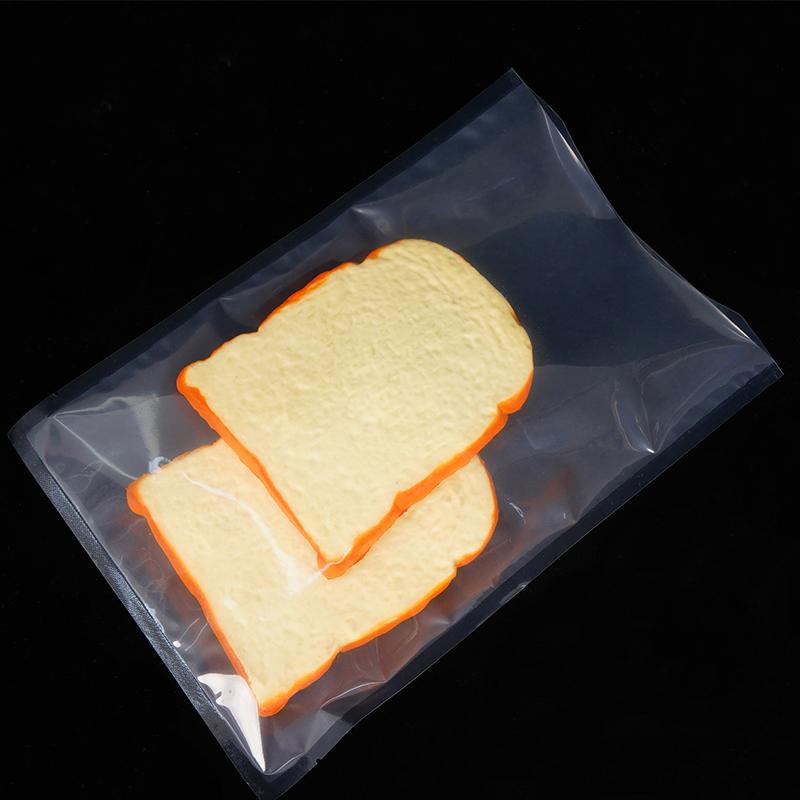
Vacuum bags are important in many areas. They help keep food fresh. They help store clothes and home items. They also protect electronics. A vacuum bag works by removing air from the bag. This removes oxygen. Oxygen helps aerobic bacteria grow. It also causes oxidation. So removing oxygen helps keep things fresh longer. For business buyers, choosing the right vacuum bag is important. It affects product shelf life. It also affects shipping safety and brand image.
As a vacuum bag supplier, Trumpack often gets questions from customers. What is the difference between food vacuum bags and storage bags? How do I choose between PA/PE and PET/PE? Is thicker always better? This article will explain vacuum bags in four parts: materials, uses, buying tips, and usage.
What Is a Vacuum Bag? The Way It Works Is Simple
A vacuum bag is also called a reduced-pressure bag. Common types include PA/PE bags, PET/PE bags, and aluminum foil bags.
The main idea is simple. A vacuum machine pulls air out of the bag. This lowers oxygen levels. Then mold, yeast, and most aerobic bacteria cannot grow well. It also reduces oil oxidation, vitamin loss, and flavor changes.
Please note: vacuum packaging is not sterilization. It mainly removes oxygen. It does not kill all microorganisms. For anaerobic bacteria like Clostridium botulinum, a vacuum can even help them grow. So vacuum-packed food still needs refrigeration, freezing, or high-temperature treatment to be safe.
Common Materials for Vacuum Bags
The performance of a vacuum bag depends on its material structure. Different material combinations have different oxygen barrier, puncture resistance, temperature resistance, and printing properties.
Material Structure | Main Features | Temperature & Process | Typical Uses |
|---|---|---|---|
| PA/PE (Nylon/Polyethylene) | High tensile strength, puncture resistance, good oxygen barrier | Can handle -40°C to 120°C; some can be boiled | Bone-in meat, seafood, braised foods, foods that need boiling |
| PET/PE (Polyester/Polyethylene) | Good stiffness, good printing, good moisture barrier | Max about 85°C; usually not for boiling | Regular food, electronic parts, room-temperature products |
| Aluminum Foil Composite | Good barrier, light blocking, heat sealing, high/low temperature resistance | Depends on structure; can handle higher temperature sterilization | Tea, coffee, seafood, light/oxygen-sensitive products |
| EVOH High Barrier | Excellent oxygen barrier | Depends on structure | Oxygen-sensitive food, precision products |
| PE Bag | Safe, low cost | Limited temperature resistance, average strength | Light items, short-term storage |
PA/PE vacuum bags are one of the most common types in food and industry. The nylon layer gives strength and oxygen barrier. The PE layer does the heat sealing and waterproofing. They are good for bone-in, sharp, and puncture-risk items. PET/PE vacuum bags are more about stiffness, printing, and moisture barrier. They fit room-temperature food and electronic products.
At Trumpack, we recommend the right structure and thickness based on your product, sterilization method, storage temperature, and shipping conditions. We do not just say "thicker is better."
Three Main Uses of Vacuum Bags
1、Food Freshness and Packaging
Food is the biggest use for vacuum bags. Fresh meat, braised foods, nuts, coffee beans, tea, seafood, and biscuits can all use vacuum packaging. It reduces oxidation and moisture. For food that needs high-temperature boiling, choose PA/PE. A thickness of 80–100μm is good. The PA layer should be over 20%. This gives good barrier and flexibility.
But remember: vacuum packaging is for freshness, not sterilization. Cooked food and fresh food still need cold chain or later sterilization.
2、Clothes and Home Storage
Vacuum storage bags remove air from quilts and clothes. This makes them much smaller. They can save about 2–3 times the space. They also protect against moisture, mold, bugs, and dust. For seasonal storage, use them for thick quilts, down jackets, and sweaters. For thick coats that cannot be folded, use hanging vacuum bags.
Home storage bags are often 6 to 13 silk thick. (1 silk = 0.01 mm) If you do not move them often, 6–8 silk is fine. If you move them often or store heavy items, use 9–11 silk. Thicker is not always better. Thin bags are more flexible. Thick bags are more wear-resistant. It depends on your use.
3、Industry and Electronics Protection
In electronics, anti-static vacuum bags use multiple layers. They create a "Faraday cage" effect. This keeps static electricity away from the items inside. Surface resistance is usually 10⁶–10¹⁰Ω. They protect chips, PCB boards, and other precision parts. Vacuum sealing also keeps out water vapor and oxygen. This lowers moisture and static risks in storage and shipping.
Trumpack offers food-grade, anti-static, and high-barrier vacuum bag solutions. We support custom sizes, thickness, printing, and structure.
Why Choose Trumpack?
Trumpack focuses on vacuum bags and flexible packaging. We serve food, home, and electronics industries. We offer:
- Custom food-grade vacuum bags
- PA/PE, PET/PE, aluminum foil, EVOH and other structures
- Anti-static vacuum bags and industrial protective packaging
- Custom size, thickness, printing, zipper, valve, and more
- Wholesale, OEM/ODM, and sample support
Whether you want to extend food shelf life or protect precision electronics, we can give you a better vacuum bag solution for your real use.
If you are looking for a reliable vacuum bag supplier, or you are not sure about PA/PE, PET/PE, or anti-static structure, contact Trumpack. We can provide samples and specification advice based on your product, sterilization, storage, and budget.